

The Lifelong Connection Between Hormones and Migraines


For people living with chronic migraine, prevention matters as much as relief. Missing work, canceling plans, and dealing with near-daily head pain changes how someone lives. That is why neurologists have spent years studying treatments that reduce how often migraines happen in the first place.
Botox is one of those treatments. Originally known for cosmetic use, it is now widely used by headache specialists as a preventive therapy for chronic migraine.
The research behind it is stronger than many people expect.
What Counts as Chronic Migraine
Doctors define chronic migraine as 15 or more headache days per month, with at least eight of those having migraine features.
At this frequency, preventive treatment becomes a central part of care. Oral medications are often tried first, but some patients continue to have frequent attacks or struggle with medication side effects. Botox became an option after clinical trials showed it could reduce migraine frequency for certain patients.
The FDA approved Botox for chronic migraine in 2010.
What Clinical Studies Found About Botox for Migraine
Large clinical trials led to Botox becoming an established preventive therapy. In these studies, patients receiving Botox experienced fewer migraine days and fewer headache-related disruptions in daily life compared with those receiving placebo treatment.
The treatment works by blocking nerve signals involved in pain transmission, which reduces migraine activity before symptoms fully develop.
Real-world results are often similar to the clinical trials. Many patients see meaningful reductions in headache frequency over time, especially after multiple treatment cycles.
Clinicians usually evaluate response over several months because improvement tends to build gradually.
How Botox Treatment Is Actually Done
Migraine Botox treatment follows a standardized clinical protocol. The medication is injected into specific areas associated with migraine pain pathways.
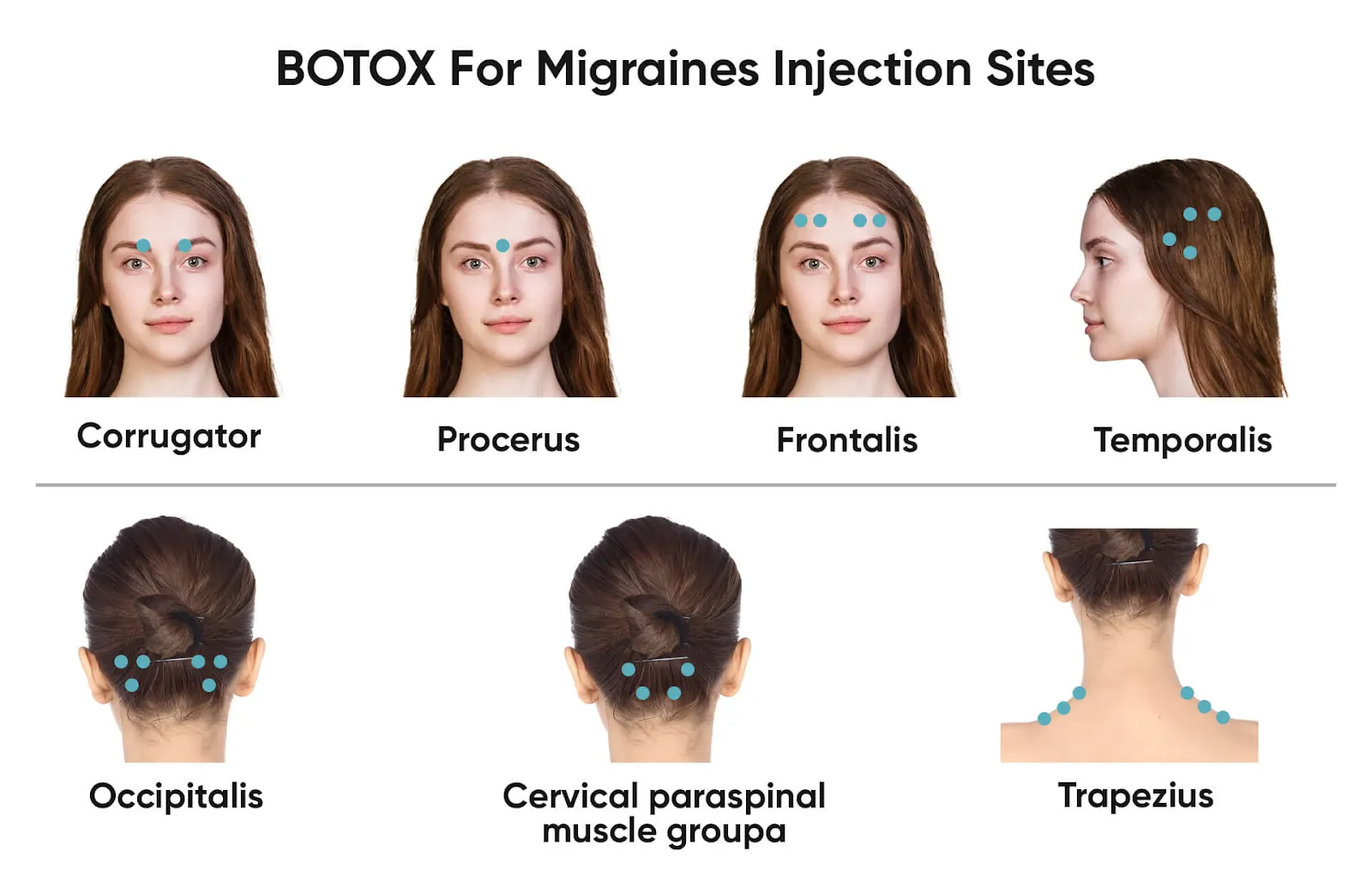
Typical treatment involves:
• 31 injection sites
• Areas including the forehead, temples, back of the head, neck, and shoulders
• Repeat treatments about every 12 weeks
The goal is not cosmetic. Most of the injections target muscles and nerve pathways related to migraine activity.
Some patients notice improvement within a few weeks. Others need two or three treatment cycles before the full benefit becomes clear.
How Effective Is Botox for Chronic Migraine
Clinical data and real-world care show consistent results.
Many patients experience a significant drop in headache frequency after starting treatment. In migraine disability assessments, patients treated through Haven have seen about a 50 percent improvement in MIDAS scores within 6 months, reflecting fewer headache-impacted days.
The treatment is not a cure. Migraine is a neurological condition that often requires ongoing management. But reducing attack frequency can make daily life more manageable.
Who Is a Good Candidate
Botox is generally recommended for adults with chronic migraine who:
• Experience frequent migraine days each month
• Have tried other preventive medications
• Need long-term migraine prevention rather than occasional symptom relief
A headache specialist reviews migraine history, previous treatments, and symptom patterns before recommending Botox.
Getting Evaluated by a Migraine Specialist
Access to headache specialists can be difficult. Many neurology clinics have wait times of six months or longer.
Haven Headache & Migraine Center was built around a virtual-first model to shorten that timeline. Patients start with an initial consultation online through telehealth, where a headache specialist reviews symptoms, past treatments, and possible preventive options.
If Botox is appropriate, Haven coordinates care with experienced providers who administer the injections locally.
Most patients can meet with a specialist within a few weeks rather than waiting months.
Insurance Coverage for Botox Treatment
All insurance plans cover Botox for chronic migraine when medical criteria are met, and prior authorization is completed.
Haven is in-network with:
- Blue Shield Of California
- Anthem
- United Health
- Cigna
- Aenta
- Humana
- Health Net
- Tricare
- Medicare
HMO patients can be seen with an out-of-network agreement. Note: We are in-network with Brown & Toland HMO and Hill Physicians Plans.
When to Consider Botox for Migraine
Patients often reach Botox after trying several preventive medications without enough improvement. Others pursue it when migraines are occurring most days of the month and disrupt work or daily routines.
In those situations, targeted therapies can make a meaningful difference.
If migraines are becoming more frequent or harder to manage, it may be time to talk with a headache specialist.