

Preparing for Your First Botox Migraine Treatment

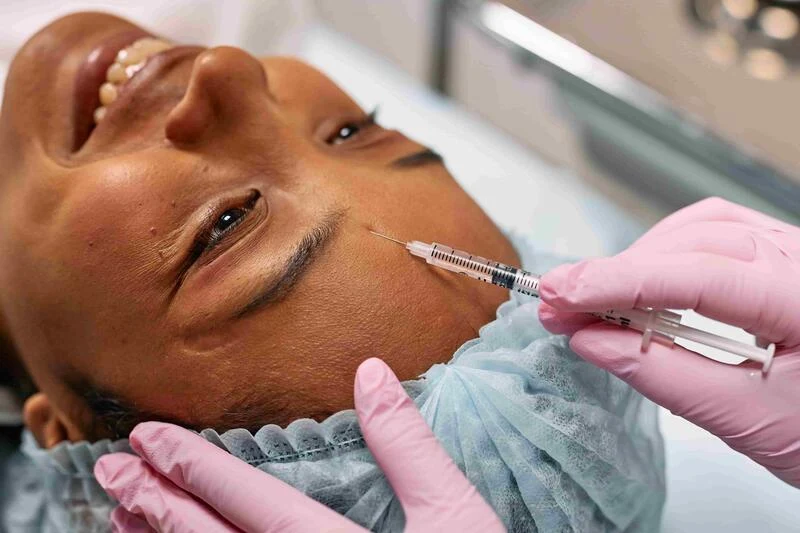
Preparing for your first Botox treatment for migraines involves keeping a detailed headache diary, discontinuing blood thinners as advised, arranging comfortable post-procedure transportation, and understanding the 31-site PREEMPT protocol administered by experienced clinicians every 12 weeks. Haven Headache & Migraine Center clinicians, averaging 10 years of experience in headache medicine, guide patients through preparation via telehealth consultations statewide or pop-up sites, ensuring optimal outcomes for chronic migraine reduction. Please note this article is not intended to be medical advice. Please consult a clinician or make an appointment with Haven.
Botox for Chronic Migraine 101
Botox can be a very effective treatment option for chronic migraine, with studies showing a significant reduction in headache days for many individuals. It's approved by the FDA for preventing headaches in adults with chronic migraine (15 or more headache days a month, each lasting 4 or more hours).
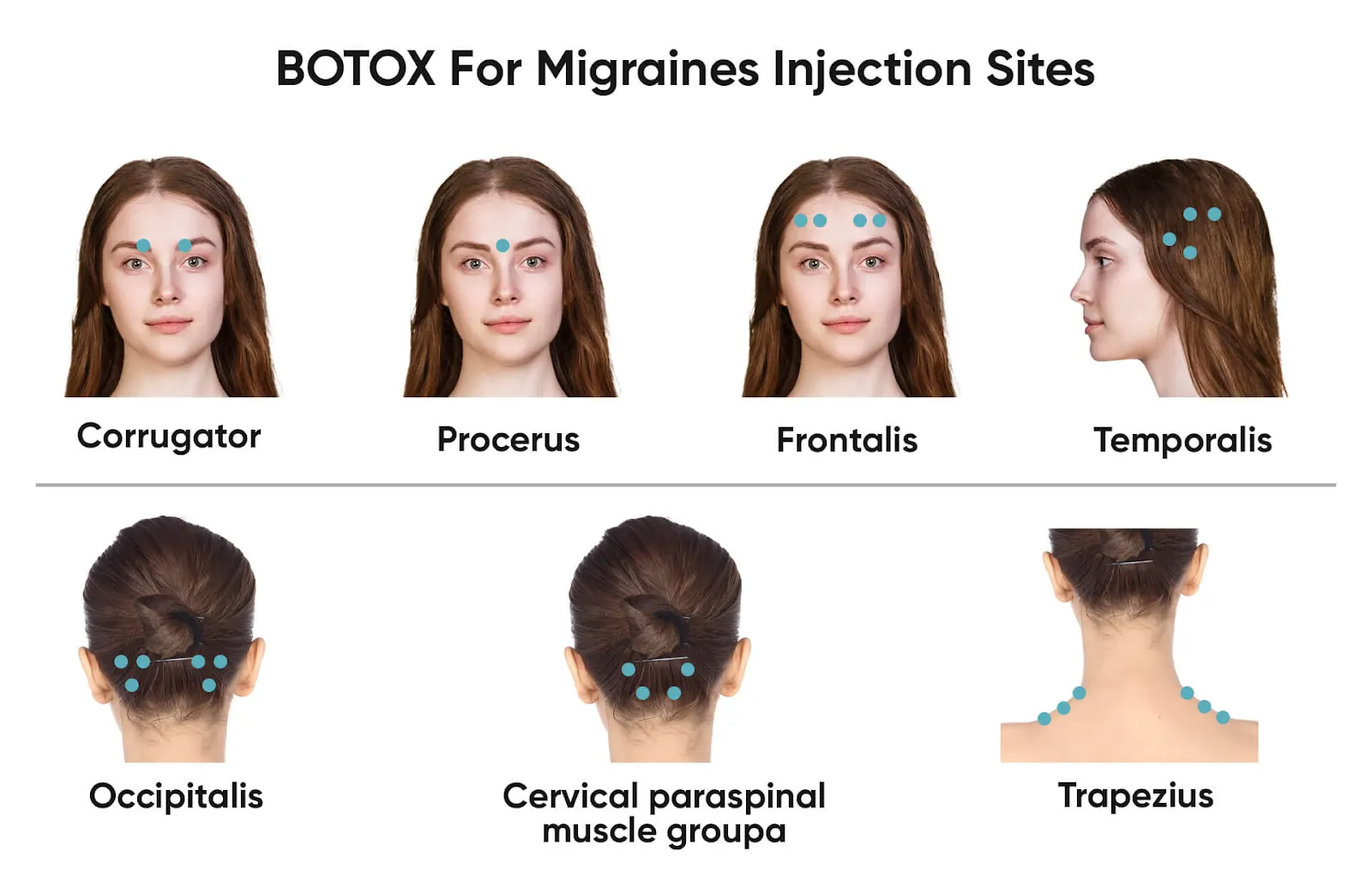
How it works: Botox injections, typically given in the forehead, temples, and neck, help prevent headaches by blocking pain signals from the nerves in those muscles. It's thought to inhibit the release of certain pain-related chemicals, reducing migraine and headache frequency and severity.
Effectiveness: Many people see a 30-50% reduction in the number of headache days and/or headache severity each month after Botox injections.
Saving money on your treatment
Before you get to your appointment, we advise signing up for the BOTOX® Savings Program (https://www.botoxsavingsprogram.com) to help eligible patients with out-of-pocket costs. This program is for patients with commercial health insurance (for example, employer or private insurance) – it is not available if you have Medicare, Medicaid, or other VA insurance.
Botox treatments can be expensive, but a savings card is available to help you pay as little as $0 per treatment and potentially offset your deductible by up to $ 4,000 per year. You must sign up before your treatment.
- Check your eligibility and enroll: botoxsavingsprogram.com
- Get your treatment and save your Explanation of Benefits (EOB): The program works by reimbursing you for costs your insurance didn’t cover.
- Submit a claim for reimbursement: Once you have the EOB, log in to the Botox Savings Program website and submit a claim for that treatment botoxsavingsprogram.com.
- Receive reimbursement: If approved, they will mail out a reimbursement check for the amount of your out-of-pocket cost, up to the program’s limit for that procedure.
- Repeat for each treatment: You can use the savings program each time you get a Botox treatment. After every future session, simply submit a new claim with that treatment’s EOB, and you’ll receive a reimbursement check for each approved claim.
Before Your Appointment
Medication adjustments
- Try to avoid NSAIDS 24 hours prior to your appointment to avoid excessive bleeding.
Personal preparation
- Avoid makeup on your forehead or scalp.
- Wear comfortable clothing with easy access to your trapezius muscles.
During the Appointment
Typical treatment placements
This is the placement of the Botox for chronic migraine. Your provider may discuss additional placements based on your symptoms.
Positioning and preparation
- The actual injection procedure is done in the exam room.
- You will usually sit in a chair, but some patients prefer to lie down if they feel faint or more comfortable.
- The provider will clean your forehead, scalp, and neck areas with an antiseptic.
- It’s uncommon to need numbing, but if you’re very nervous about needles, you may use a topical numbing cream or ice before your visit.
The injection process
- Botox is given as multiple small injections with a very fine needle. In total, about 31 injections will be placed in specific areas. Each injection delivers a tiny amount of Botox just under the skin. The needle is very small and the injections feel like quick pinches or little stings that last only seconds. Most patients tolerate the injections well, even if they were anxious initially.
- The injection part is fast – around 5 to 15 minutes for all 31 shots
After Injection
- You won’t need any bandages – at most, you might see small bumps at injection sites, which usually disappear in an hour or so. Most people feel fine to go home immediately afterward.
- Botox is an outpatient procedure. It’s safe to drive yourself home, as long as you feel well. (Many first-timers do drive home; some prefer to have a friend accompany them for reassurance. You can typically return to your normal routine the same day. However, if possible, plan to take it easy for the rest of the day, especially after your first session
After your injections
First 24 hours
- You might notice mild redness, swelling, or tiny bumps at injection spots – these usually go away within a few hours.
- Do not rub or press on the injection sites for at least 12–24 hours. Avoid any firm pressure, massage, or tight headwear/helmets on your forehead or scalp – this prevents the Botox from moving from where it was injected and avoids bruising.
- Stay upright for a few hours: if possible, avoid lying flat for about 3–4 hours after the injection
- Skip vigorous exercise or heavy physical activity for the rest of the day (about 24 hours)
- No heat or extreme treatments: Avoid hot tubs, saunas, or spa treatments on the day of injections. Also avoid facials or massages focusing on the head/neck for a day.
- Hair and skin care: Wait 1–2 days before coloring or chemically treating your hair
Day 2 - 10
- You could have a headache or a heavy feeling in your head on the day of treatment
- You might have a mild headache right after the procedure is possible, your neck might feel sore or stiff. These effects are typically mild and fade within a day or two. You can use an ice pack on sore areas or take your usual headache pain reliever (e.g. acetaminophen or a NSAID) if your doctor says it’s okay.
- Some patients experience a few days of increased migraine or headache symptoms right after the injection – if so, treat it with your normal migraine medications as advised by your doctor. This temporary flare-up should subside.
- Botox does not relieve migraine pain immediately. It’s a preventive treatment that takes time to kick in. Some people start to notice fewer headaches after 14 days following the injections. It can take up to several months for the full preventive effect to be felt.
12 Weeks later
- Your effects may wear off before your next treatment between 10-12 weeks. You will get your next treatment 12 weeks after your first. If your migraine attacks increase in the weeks before your treatment, use your acute medications to span this time.
- We recommend everyone to try 3-4 treatment cycles before deciding to stop this treatment
When to Contact Your Doctor
Remember, serious reactions are highly unlikely with dosing for chronic migraine. In fact, the “spread of toxin” effect has not been seen in clinical studies for migraine at recommended doses. Most patients will only have the mild side effects mentioned earlier. Still, it’s important to know when to act. If you’re ever unsure, call or message your provider.
- Difficulty breathing or swallowing: If at any point hours or days after the injection you have trouble breathing, speaking, or swallowing, treat it as an emergency and get medical help immediately.
- Severe muscle weakness: Feeling generalized weakness or paralysis in areas away from the injection sites is a sign to call the doctor.
- Vision problems: New-onset blurred vision, double vision, or drooping eyelids that significantly affect your eyesight should be reported. (A mild eyelid droop can be a common side effect, but if it’s pronounced or worsening, let your doctor know.)
- Speech or swallowing changes: Slurred speech, or difficulty articulating words (not just the slight trouble finding words during a migraine, but an obvious speech change) is a warning sign – call your doctor.
- Loss of bladder control: Though very rare in migraine treatment, if you experience new urinary incontinence (losing control of your bladder) after Botox, inform your doctor.
- Allergic reaction: Signs of an allergic reaction to Botox are extremely uncommon but could include widespread rash, itching, swelling (for example, in your face or throat), or wheezing. If you suspect an allergic reaction, get emergency medical help.
- Injection site infection: It’s normal for injection spots to be a bit red or sore. However, if an injection site becomes very red, warm, swollen, or painful after a couple of days, or if you develop a fever, this could indicate an infection at the injection site. Call your doctor if you see signs of infection; you might need an evaluation and possibly antibiotics.
Insurance Coverage for Botox Migraine Therapy
Most insurance requires failure of other prevention options. Haven is in-network with most major PPO plans as well as Medicare, TriCare, Hill Physicians, and Brown & Toland HMO plans. HMO patients are seen on a cash basis. In-network PPO plans include:
- Blue Shield of California
- Anthem
- United Health
- Cigna
- Aetna
- Humana
- Health Net
Haven NEVER prescribes opioids or barbiturates.
When Specialists Recommend Botox for Migraines
Ideal Candidates:
- Chronic migraine (15+ headache days/month)
- Partial oral preventive response
- Medication overuse component
Seek specialist evaluation if:
- Frequent headaches (4–5+ per month) that interfere with daily functioning
- Attacks last multiple days or occur many times per month
- The primary care provider ignores requests for help, or the medication does not restore normal function within about 2 hours
Note that if you ever have your first and worst headache or stroke-like symptoms, go to the ER or call 911 immediately.
Frequently Asked Questions
How experienced are Haven's Botox clinicians?
Clinicians have an average of 10 years of experience in headache medicine with specialized PREEMPT training.
What preparation is most important before Botox?
Detailed headache diary documenting 15+ headache days/month for insurance/FDA criteria.
Can I drive home after Botox treatment?
No driving for the first 4 hours; arrange transportation.
When does Botox start working for migraines?
Week 3-4 typically; optimal effect cycles 2-3.
Does Haven coordinate Botox via telehealth?
Virtual evaluation with pop-up site coordination if recommended by the provider.
Please note: This article is not intended to be medical advice. Please consult a clinician or make an appointment with Haven.
Prepare for Migraine Relief Success
Haven Headache & Migraine Center clinicians with 10+ years experience guide Orange County patients through Botox preparation for optimal chronic migraine reduction, telehealth statewide or pop-up sites.
Book Your Botox Evaluation:
Haven Headache & Migraine Center
Phone: (424) 444-7399
hello@havenheadache.com
Schedule Consultation - Expert guidance for your first Botox migraine treatment.