

Migraine Postdrome: The Migraine Hangover Explained

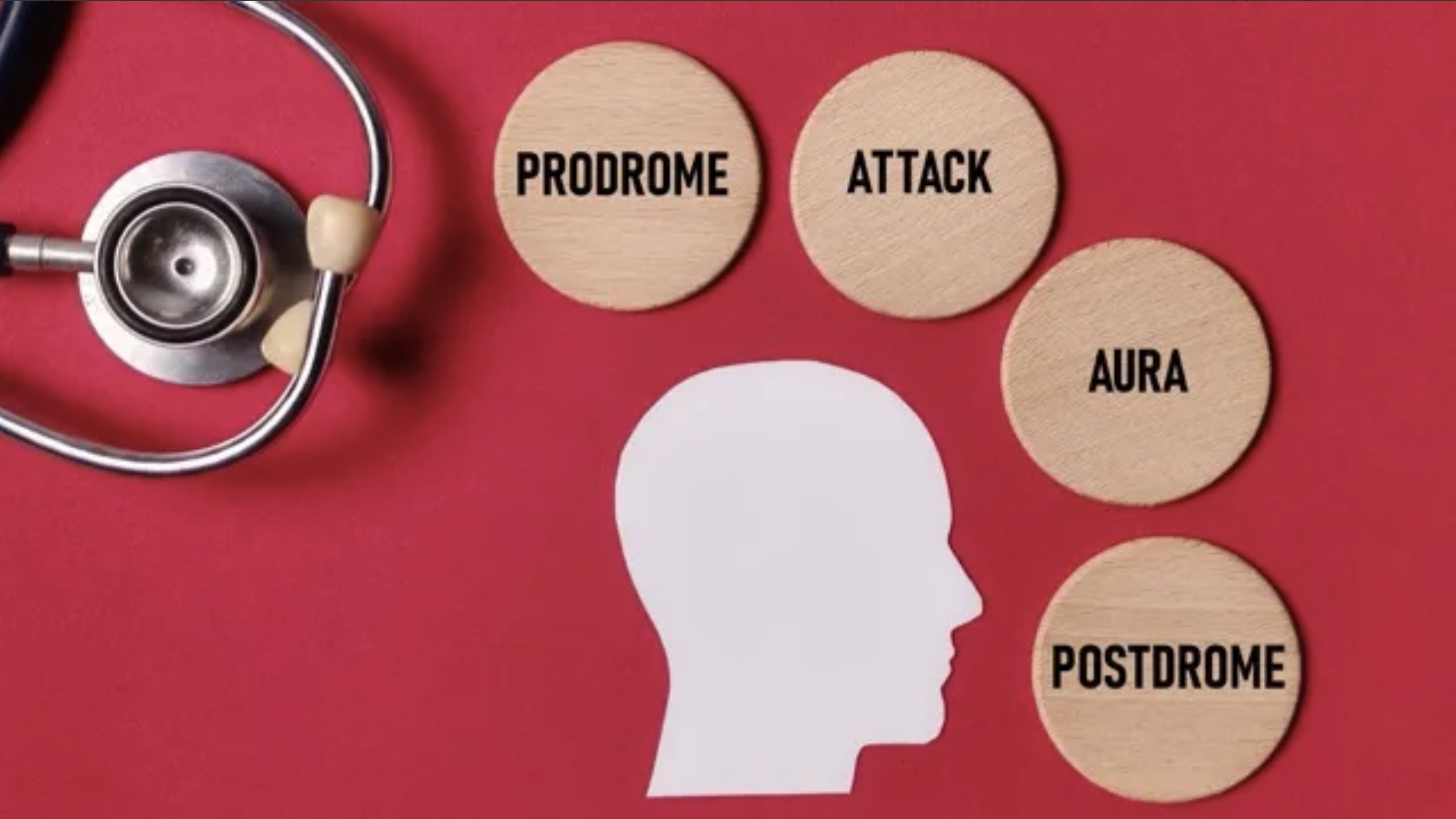
Migraine postdrome: what is the "migraine hangover"?
Migraine postdrome is the tired, foggy feeling that can follow a migraine attack. People often call it a "migraine hangover." Your head pain has eased. But you still feel worn out, slow to think, and not quite like yourself. This phase is a real part of the migraine attack. It is not something separate from it. The good news: it usually passes within a day. There are also ways to feel better, faster.
Key takeaways
- Postdrome is the fourth phase of a migraine attack. It follows the headache phase.¹
- About 4 in 5 people with migraine get postdrome symptoms after at least some attacks.²
- Common symptoms are fatigue, trouble concentrating, neck stiffness, and mood changes.³
- Most people feel back to normal within 24 hours, though it can last up to 48 hours.¹³
- Pain medicine does not reliably shorten postdrome. Rest, hydration, and a gradual return to activity help most.⁴
What is migraine postdrome?
Migraine postdrome is the recovery period after head pain from a migraine attack fades. It is the fourth and final phase of a migraine attack. The other three phases are prodrome (early warning signs), aura (short-lived vision or sensory changes some people get), and the headache itself.¹
Not everyone with migraine has all four phases every time. But postdrome is common. Clinicians sometimes call it the recovery phase. Patients call it the "migraine hangover" because it can feel a lot like one, minus the alcohol. You might feel drained, achy, and mentally slow, even after the worst of the pain is gone.⁵
Migraine itself is a brain disease, not just a bad headache. It unfolds in distinct phases, from prodrome through postdrome, as your brain manages the whole event rather than just a single moment of pain.
What does a migraine hangover feel like?
Postdrome symptoms vary from person to person, and even from attack to attack. The most frequently reported symptoms across research studies are:³⁴
- Fatigue that feels deeper than normal tiredness
- Trouble concentrating or thinking clearly, sometimes called brain fog
- Neck stiffness or soreness
- Mild, lingering head discomfort
- Sensitivity to light or sound
- Dizziness
- Mood changes, ranging from low mood to unusual elation
- Body aches
This mix of symptoms is why the "hangover" comparison fits so well. A 2022 study tracked 100 people with migraine. The average person reported eight different postdrome symptoms after a typical attack. Fatigue, trouble concentrating, and head discomfort topped the list.⁴
Everyone's postdrome looks a little different, and that's completely normal. These numbers come from two separate patient surveys rather than a head-to-head comparison. Think of them as a general guide, not a checklist your own experience needs to match.³⁴
How common is migraine postdrome?
Postdrome is common. But it does not happen after every attack for every person. A well-known 2016 study tracked patients with a daily diary. It found that 81% of people with migraine reported at least one postdrome symptom.³ A separate 2022 study found an even higher rate. More than 90% of patients reported postdrome symptoms after at least some attacks.⁴
The American Migraine Foundation says about 4 in 5 people with migraine get postdrome.² If you get this hangover feeling after your attacks, you are far from alone. You are not imagining it.
How long does migraine postdrome last?
By definition, postdrome lasts up to 48 hours after the headache pain stops.¹ In practice, most people recover faster. The 2016 diary study found that 93% of patients felt back to normal within 24 hours of their head pain ending.³ Many people feel better within just a few hours.
That same study found no link between how bad the headache was and how long the postdrome lasted. A mild attack can still leave you with a long hangover. A severe attack does not always mean a long recovery.³
What causes the migraine hangover feeling?
Researchers don't fully know why postdrome happens. Here's what they do know: a migraine attack is not just about pain. It's a whole-brain event. During the headache phase, your brain works hard to manage pain signals and other changes. Postdrome seems to be part of your brain's recovery from that stress.³
One key finding: pain medicine for the headache does not reliably stop or shorten postdrome. In the 2022 study, most patients said their postdrome lasted about the same length of time, whether or not they took medicine for their headache.⁴ This suggests postdrome is tied to changes in the brain itself, not just leftover pain.
How can you feel better during postdrome?
There's no medicine proven to treat postdrome on its own.⁴ But these steps can help you recover in more comfort:⁵⁶
- Rest when you can. Your brain just went through a lot. Give it time, even if that means a slower morning or an early night.
- Stay hydrated. Not drinking enough water can add to fatigue and head discomfort. Keep water within reach.
- Ease back into activity. Skip big decisions or detailed work if you can. Your focus often lags behind how you feel physically.
- Limit light, sound, and screens. If you're still sensitive, dim lights and quiet spaces can help you recover faster.
- Avoid known triggers for a day. Your brain may still be more sensitive than usual. This is not the time to test a trigger you're unsure about.
- Track your pattern. A headache diary that includes postdrome symptoms can help you and your care team spot patterns and plan ahead.
If postdrome regularly disrupts your day, or lasts longer than 48 hours, talk with a headache specialist. They can look at your whole migraine pattern, not just the headache. Together, you can build a plan that fits your life.
You're not making this up
If people around you don't understand why you're still not yourself the day after a migraine attack, that can feel lonely. Postdrome is real. It's documented in research. It's part of the disease, not a sign that you're overreacting or not trying hard enough.³⁴ A headache specialist can help you manage the whole attack, including this often-overlooked phase. That means less time spent recovering, and more time spent living your life. Haven Headache & Migraine Center offers virtual and in-person care built around your full migraine pattern.
Frequently asked questions
Is a migraine hangover the same thing as postdrome?
Yes. "Migraine hangover" is the common name for postdrome, the fourth phase of a migraine attack that follows the headache.¹
How long does migraine postdrome usually last?
Most people recover within 24 hours, though postdrome can last up to 48 hours by definition.¹³
What causes a migraine hangover?
Experts believe it reflects your brain recovering from the intense activity of a migraine attack, though the exact mechanism is still being studied.³
Can medication get rid of a migraine hangover?
Taking medicine for the headache pain does not reliably shorten postdrome. Rest, hydration, and easing back into activity tend to help more.⁴
Does everyone with migraine get postdrome?
No. Postdrome is common. It affects about 4 in 5 people with migraine. But not everyone gets it, and it does not happen after every attack.²
Should I see a clinician for migraine postdrome?
If postdrome regularly interferes with your work, sleep, or daily life, or lasts longer than 48 hours, a headache specialist can help you find a plan that reduces its impact.
You deserve care for the whole attack, not just the pain
Migraine postdrome can be just as hard as the headache itself, even though it gets far less attention.³ You don't have to push through it alone. A headache specialist at Haven can help you understand your full migraine pattern. Together, you can build a treatment plan that covers more than just the pain.
Medically reviewed by: Samantha Clem, PA-C, AQH, Haven Headache & Migraine Center
Peer reviewed by: Nada Hindiyeh, MD, Haven Headache & Migraine Center
References
- International Headache Society. Definition of Terms. The International Classification of Headache Disorders, 3rd edition (ICHD-3). https://ichd-3.org/definition-of-terms/
- American Migraine Foundation. The Timeline of a Migraine Attack. https://americanmigrainefoundation.org/resource-library/timeline-migraine-attack/
- Giffin NJ, Lipton RB, Silberstein SD, Olesen J, Goadsby PJ. The migraine postdrome: an electronic diary study. Neurology. 2016;87(3):309-313. https://pmc.ncbi.nlm.nih.gov/articles/PMC4955275/
- Carvalho IV, Fernandes CS, Damas DP, Barros FM, Gomes IR, Gens HM, Luzeiro I. The migraine postdrome: Clinical characterization, influence of abortive treatment and impact in the quality of life. Clinical Neurology and Neurosurgery. 2022;221:107408. https://www.sciencedirect.com/science/article/abs/pii/S030384672200289X
- American Migraine Foundation. Migraine Hangover: What Is Postdrome? https://americanmigrainefoundation.org/resource-library/migraine-hangover/
- Cleveland Clinic. Migraine Hangover (Postdrome): Symptoms & Treatment. https://my.clevelandclinic.org/health/diseases/migraine-hangover-postdrome
This article is for general education and is not medical advice. It is not a substitute for care from a qualified health professional. Always talk with your clinician before starting, stopping, or changing any treatment. If you have a sudden, severe headache, the worst headache of your life, or a headache with new symptoms like weakness, trouble speaking, or vision loss, seek emergency care right away.