

Five Migraine Neuromodulation Devices Compared

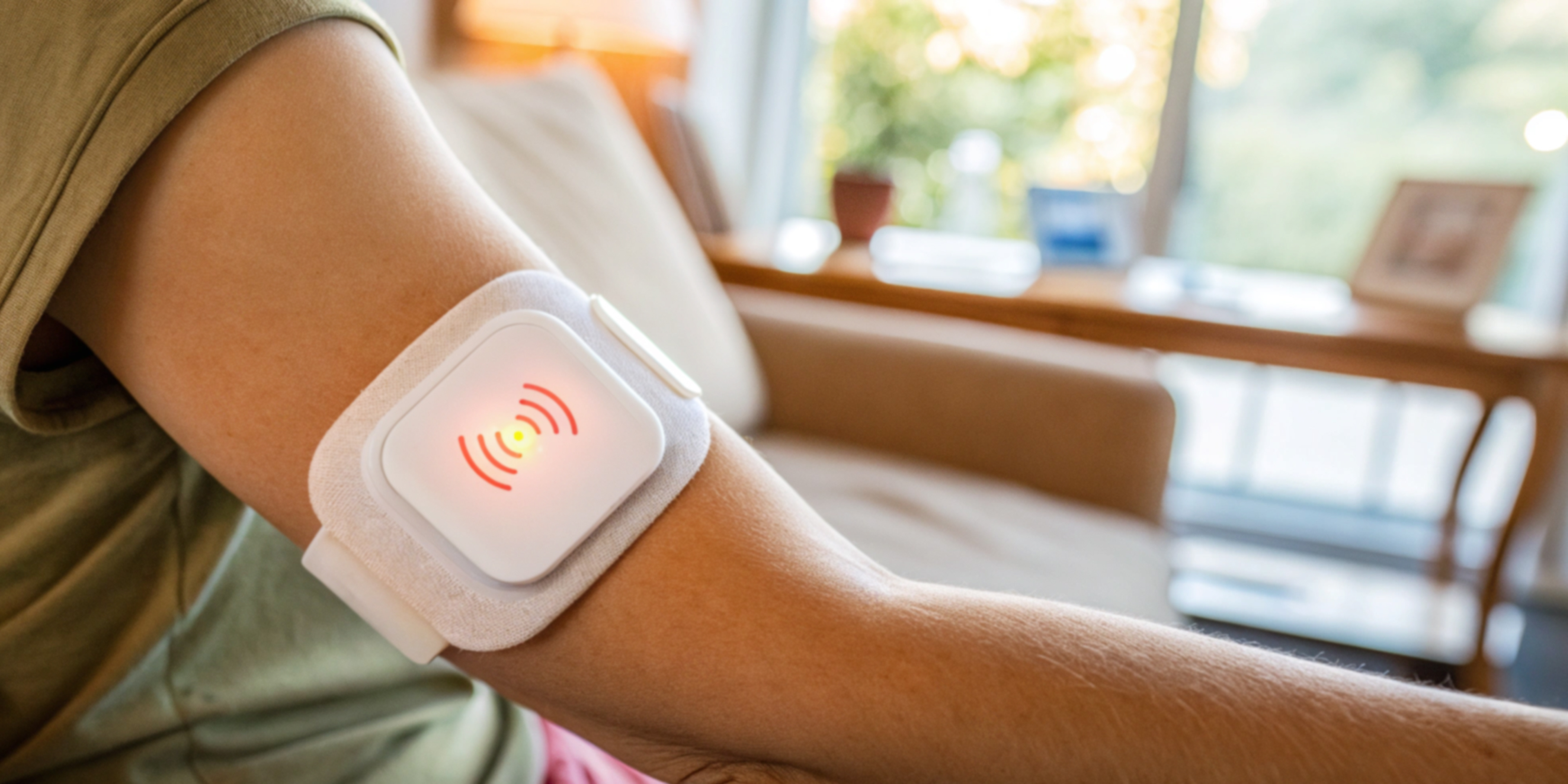
Five migraine neuromodulation devices compared: Cefaly, Nerivio, gammaCore, Relivion, and SAVI Dual
Neuromodulation devices use mild electrical or magnetic-style signals. These signals calm the nerves involved in migraine. Cefaly, Nerivio, gammaCore, Relivion, and SAVI Dual are the five FDA-cleared options people ask about most. None of them need medication. Each one targets a different nerve pathway.
They are not a cure. The research behind them is still developing. But for many people, they add a real, low-risk tool to a broader migraine plan.
Key takeaways
- Cefaly, Nerivio, gammaCore, Relivion, and SAVI Dual are FDA-cleared devices. Each one stimulates a nerve or brain circuit linked to migraine, without medication.¹
- Each device targets a different pathway and is worn in a different place: forehead, upper arm, neck, back of the head, or a full headband.
- A 2025 International Headache Society guideline reviewed the evidence for the major devices. It gave weak recommendations for each. This means they can help, but the trials behind them are still small.¹
- Nerivio has the most real-world data so far. About 6 in 10 users get meaningful pain relief within two hours in typical use.²
- gammaCore is the only device cleared for cluster headache in addition to migraine.³
- These devices are generally well tolerated. Studies report low rates of side effects across all five.¹
- A headache specialist can help you decide which device, if any, fits your pattern and goals.
What do neuromodulation devices do?
Neuromodulation devices send a gentle signal through the skin to a specific nerve. The signal is electrical or magnetic-style. The goal is to change how that nerve sends pain signals to your brain. This can stop an attack in progress, or make attacks less frequent over time.⁴
They are not all the same. Each device targets a different nerve. Some are built for acute treatment. Some are built for prevention. Some do both. A 2025 clinical guideline from the International Headache Society reviewed the trial evidence for the major FDA-cleared devices. It rated the evidence for each as low to moderate. It gave weak recommendations across the board.¹ That does not mean they do not work. It means the trials so far are small. More research is still needed to know exactly how well, and for whom, each device performs.
People often look into these devices for a few reasons. They want a non-drug option. They have side effects from medication. Or they want another tool alongside what they already use.
Cefaly
Cefaly is a headband-style device. It sits on your forehead and stimulates the supraorbital nerve, a branch of the trigeminal nerve involved in migraine pain.⁴ It is most often used for prevention, in daily 20-minute sessions. Some patients use it during an attack too.
The evidence for Cefaly is still modest. One study followed 24 people with chronic migraine. They added daily Cefaly sessions to their existing treatment for three months. About 1 in 6 had a meaningful drop in headache days. Side effects were minor and uncommon.⁵ That is a real but limited effect. It matches the weak recommendation the 2025 guideline gives it.¹
Cefaly may suit someone who wants a simple, predictable daily routine. It helps if you do not mind wearing something on your forehead each session.
Nerivio
Nerivio is a wearable device worn on the upper arm. You control it through a smartphone app. Instead of numbing a nerve directly, it triggers a natural pain-blocking response in the body called conditioned pain modulation.⁶ It is FDA-authorized for acute treatment of migraine with or without aura, in people 12 and older. Regular use also appears to have a preventive effect.
Nerivio has more real-world data behind it than most other devices. In one large real-world study, 59% to 74% of users got meaningful pain relief within two hours. The range depended on how they were prescribed the device. Side effect rates were very low.² In a separate study of adolescents, 71% got pain relief and 35% became pain-free at two hours.⁷ The American Headache Society lists Nerivio as a tier 2 acute treatment option.⁶
Nerivio also has some of the better safety data for two groups that are often left out of migraine device research. A study of pregnant patients who used the device found no difference in birth outcomes compared with those who did not.⁸ In children ages 6 to 11, a safety study looked at nearly 300 kids. It found no device-related side effects at all. Most of those who reported outcomes got meaningful relief.⁹
Nerivio may appeal to people who would rather not wear something on their head or face. It also suits people who like having the treatment built into their phone.
gammaCore
gammaCore is a handheld device. You hold it against the side of your neck to stimulate the vagus nerve. It is FDA-cleared for acute migraine treatment in adults. It is also cleared for both acute and preventive treatment of cluster headache.³
Most of the strongest real-world data on gammaCore comes from cluster headache. A patient registry found that pain dropped substantially within 30 minutes for most treated attacks.³ For migraine specifically, the 2025 guideline gives gammaCore Sapphire a weak recommendation for prevention. This reflects a smaller, still-developing body of evidence in migraine compared with cluster headache.¹
gammaCore may be a good fit for someone who wants a reusable handheld device rather than a wearable patch. It is worth a look especially if cluster headache is part of the picture too.
Relivion
Relivion is a head-worn device. It combines two nerve targets at once, the trigeminal and occipital nerves. This approach is called external combined occipital and trigeminal neurostimulation.¹⁰ It is FDA-cleared for acute migraine treatment.
In a sham-controlled trial, the active device beat a sham version on pain relief. At two hours, 52% had meaningful pain reduction, compared with 17% on sham. About 42% were pain-free, compared with 20% on sham.¹¹ That trial used a real sham comparison. It gives Relivion one of the more direct efficacy comparisons among these five devices.
Relivion may appeal to people who want a broader, multi-nerve approach in a single session. Availability can vary by region.
SAVI Dual
SAVI Dual is a device you hold against the back of your head. It sends a single, brief magnetic pulse into the occipital cortex, the brain region tied to migraine aura.¹² It is FDA-cleared for both acute and preventive treatment, in people 12 and older.
A 12-month real-world study followed 153 people with hard-to-treat migraine who added SAVI Dual to their care. At three months, 60% had a meaningful drop in headache days. Nearly half of the group, 45%, kept that improvement at 12 months.¹³ Side effects were mostly mild, and few people stopped using it because of them.
SAVI Dual may be worth discussing if aura is a prominent part of your migraine pattern. It may also suit you if you want a device that does not touch your forehead or neck.
How to choose between them
The right device depends on a few things. Do you need help with acute attacks, prevention, or both? How often do you get migraine? What have you already tried? Which style of device are you willing to use consistently?
A device is only useful if you use it. Someone who travels a lot might prefer a handheld option like gammaCore over something that needs a daily routine. Someone focused on prevention might lean toward Cefaly's daily session. Someone whose migraine includes aura might ask about SAVI Dual specifically. If cluster headache is part of the picture, gammaCore is the only device in this group cleared for it.³ A headache specialist can walk through your pattern with you. They can help match a device to your actual routine, not just its features on paper.
Most insurance plans require that you try other prevention or acute treatments first. This applies before some of these devices get covered. A clinician can help you navigate that process.
When to talk to a specialist
Talk to a headache specialist if migraine interferes with your daily life. Also talk to one if attacks last multiple days or happen many times a month. The same goes if your usual medication does not bring you back to normal function within about two hours. If you ever have the first or worst headache of your life, go to the emergency room or call 911 right away. Do the same for symptoms like sudden weakness, trouble speaking, or vision loss.
Living with headache or migraine? The specialists at Haven Headache & Migraine Center are here to help. Book a virtual consultation.
Frequently asked questions
What are migraine neuromodulation devices?
They are FDA-cleared devices. They use mild electrical or magnetic-style stimulation on specific nerves. This can reduce migraine pain or make attacks less frequent, without medication.⁴
Are neuromodulation devices as effective as medication?
They are generally more modest in effect than the strongest medication options. Current guidelines still describe the evidence behind each device as low to moderate quality.¹ Many people use them alongside medication rather than instead of it.
Can I use these devices with my migraine medication?
Yes. Most people use neuromodulation devices as one part of a broader migraine plan. That plan often includes medication, lifestyle changes, or both.
Which device works best?
There is no single best device. Each one targets a different nerve and suits different needs and routines. A headache specialist can help match a device to your pattern.
Are these devices safe?
Yes, in general. Studies across all five devices report low rates of side effects. None carry the drug-interaction risks that come with medication.¹ They should still be used under a clinician's guidance.
Are any of these devices safe during pregnancy or for children?
Nerivio has some of the strongest data in these groups. A study in pregnant patients found no difference in birth outcomes, and a safety study in children ages 6 to 11 found no device-related side effects.⁸⁹ This makes it a common first option to discuss for patients who cannot take standard migraine medications.
Does insurance cover these devices?
Coverage varies by plan. Many insurers require that you try other treatments first. Haven's clinicians can help you understand your options and next steps.
Medically reviewed by: Alicia Chang, MSN, APRN, FNP-BC, FNP-C, CEN, PHN, Haven Headache & Migraine Center
Peer reviewed by: Samantha Clem, PA-C, AQH, Haven Headache & Migraine Center
References
- Yuan H, Orr SL, Al-Karagholi MAM, et al. International Headache Society evidence-based guidelines on the use of non-invasive neuromodulation devices for the acute and preventive treatment of migraine. Cephalalgia. 2025;45(10). https://doi.org/10.1177/03331024251388377
- Tepper SJ, Lin T, Montal T, Ironi A, Dougherty C. Real-world Experience with Remote Electrical Neuromodulation in the Acute Treatment of Migraine. Pain Med. 2020;21(12):3522-3529. https://doi.org/10.1093/pm/pnaa299
- Mwamburi M, Liebler EJ, Staats PS. Patient experience with non-invasive vagus nerve stimulator: gammaCore patient registry. Am J Manag Care. 2020;26(1 Suppl):S15-S19. https://doi.org/10.37765/ajmc.2020.42545
- Coppola G, Magis D, Casillo F, et al. Neuromodulation for Chronic Daily Headache. Curr Pain Headache Rep. 2022;26(3):267-278. https://doi.org/10.1007/s11916-022-01025-x
- Trimboli M, Marsico O, Troisi L, Fasano F. External trigeminal neurostimulation in patients with chronic migraine. Pain Manag. 2023;13(3):185-192. https://doi.org/10.2217/pmt-2022-0082
- Nierenburg H, Stark-Inbar A. Nerivio remote electrical neuromodulation for acute treatment of chronic migraine. Pain Manag. 2021;12(3):267-281. https://doi.org/10.2217/pmt-2021-0038
- Hershey AD, Lin T, Gruper Y, et al. Remote electrical neuromodulation for acute treatment of migraine in adolescents. Headache. 2020;61(2):310-317. https://doi.org/10.1111/head.14042
- Peretz A, Stark-Inbar A, Harris D, et al. Safety of remote electrical neuromodulation for acute migraine treatment in pregnant women: A retrospective controlled survey-study. Headache. 2023;63(7):968-970. https://doi.org/10.1111/head.14586
- Werner K, Gerson T, Stark-Inbar A, et al. Acute treatment of migraine in children aged 6-11: Real-world analysis of remote electrical neuromodulation (REN). Ann Child Neurol Soc. 2024;2(2):135-145. https://doi.org/10.1002/cns3.20073
- Daniel O, Sharon R, Tepper SJ. A device review of Relivion: an external combined occipital and trigeminal neurostimulation (eCOT-NS) system for self-administered treatment of migraine and major depressive disorder. Expert Rev Med Devices. 2021;18(4):333-342. https://doi.org/10.1080/17434440.2021.1908122
- Daniel O, Tepper SJ, Deutsch L, Sharon R. External Concurrent Occipital and Trigeminal Neurostimulation Relieves Migraine Headache: A Prospective, Randomized, Double-Blind, Sham-Controlled Trial. Pain Ther. 2022;11(3):907-922. https://doi.org/10.1007/s40122-022-00394-w
- Lloyd JO, Chisholm KI, Oehle B, et al. Cortical Mechanisms of Single-Pulse Transcranial Magnetic Stimulation in Migraine. Neurotherapeutics. 2020;17(4):1973-1987. https://doi.org/10.1007/s13311-020-00879-6
- Lloyd JO, Hill B, Murphy M, Al-Kaisy A, Andreou AP, Lambru G. Single-Pulse Transcranial Magnetic Stimulation for the preventive treatment of difficult-to-treat migraine: a 12-month prospective analysis. J Headache Pain. 2022;23(1):63. https://doi.org/10.1186/s10194-022-01428-6
This article is for general education and is not medical advice. It is not a substitute for care from a qualified health professional. Always talk with your clinician before starting, stopping, or changing any treatment. If you have a sudden, severe headache, the worst headache of your life, or a headache with new symptoms like weakness, trouble speaking, or vision loss, seek emergency care right away.